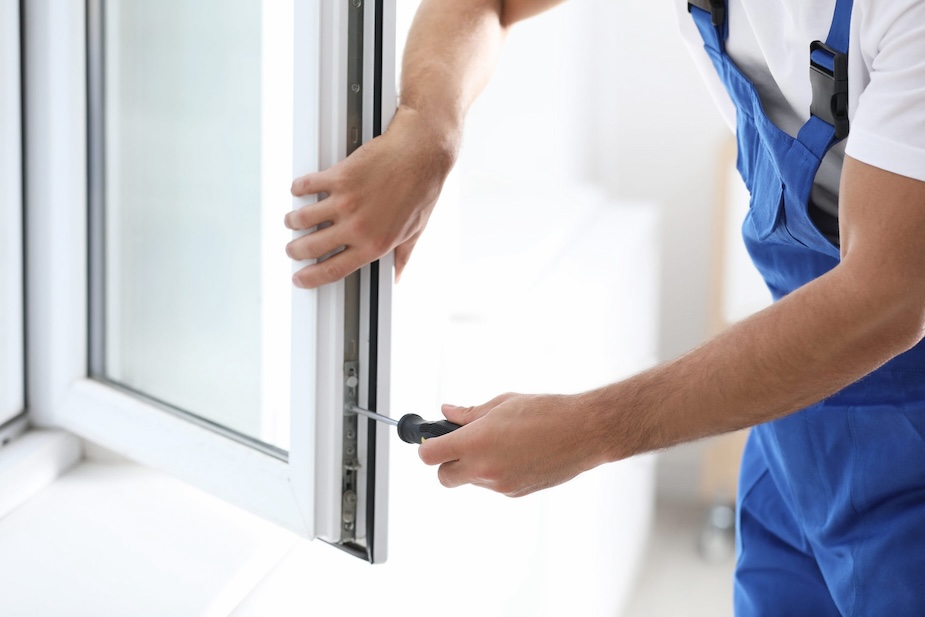
Navigating Household Lock Repair: A Comprehensive Guide
In the hustle and bustle of life, it's simple to overlook the value of a properly working lock till it fails you. Whether it's a stuck secret, a damaged latch, or a lock that won't turn, household lock repair is an important skill that can save you time, cash, and a great deal of disappointment. This short article supplies a comprehensive guide to understanding and repairing typical lock concerns, in addition to some regularly asked concerns to help you browse the procedure.
Understanding Lock Basics
Before diving into the repair procedure, it's vital to understand the basic elements of a lock. A lot of family locks include the following parts:
- Cylinder: The part that houses the key and system.
- Tumbler: The system inside the cylinder that lines up with the key.
- Spring: A small mechanism that pushes the tumbler back into location when the key is removed.
- Lever Handle: The exterior part that you turn to lock and open the door.
- Strike Plate: The metal plate on the door frame that the lock engages with.
- Bolt: The part of the lock that extends into the strike plate to protect the door.
Typical Lock Problems and Solutions
Stuck Key
- Diagnosis: The essential won't kip down the lock.
- Option:
- Lubricate the Lock: Use a silicon-based lube or graphite powder to minimize friction. Avoid utilizing oil-based lubricants as they can attract dirt and grime.
- Jerk the Key: Gently wiggle the secret while turning it to assist it move past any obstacles.
- Use a Hair Dryer: If the lock is jammed due to wetness or cold, apply heat with a hair clothes dryer to melt any ice or vaporize wetness.
- Call a Professional: If these steps do not work, it's best to call a locksmith professional to avoid damaging the lock.
Secret Won't Insert
- Diagnosis: The key can not fit into the keyhole.
- Service:
- Clean the Keyhole: Use a small brush or compressed air to remove any particles.
- Lubricate the Key: Apply a percentage of lubricant to the secret before inserting it.
- Look for Damage: Inspect the secret for any bends or damage. If the secret is harmed, it might need to be replaced.
Lock Won't Turn
- Medical diagnosis: The lock turns however does not engage the bolt.
- Option:
- Check the Alignment: Ensure the lock cylinder is appropriately lined up with the strike plate. Misalignment can cause the lock to turn without engaging.
- Check the Mechanism: Remove the lock and look for any broken or misaligned parts. You might require to replace internal parts.
- Oil the Mechanism: Apply lubricant to the internal systems to ensure smooth operation.
Bolt Won't Retract
- Diagnosis: The bolt is stuck and will not move.
- Option:
- Check for Obstructions: Ensure there are no blockages in the strike plate or bolt system.
- Lube the Bolt: Apply lubricant to the bolt and attempt turning the key again.
- Change the Strike Plate: If the strike plate is misaligned, adjust it to guarantee the bolt can withdraw appropriately.
Lock is Loose
- Medical diagnosis: The lock wiggles or seems loose.
- Option:
- Tighten the Screws: Check and tighten all the screws on the lock and strike plate.
- Replace the Screws: If the screws are stripped, replace them with longer or bigger screws to secure the lock better.
- Strengthen the Door Frame: If the door frame is weak, consider reinforcing it with extra wood or metal.
Lock is Noisy
- Medical diagnosis: The lock makes a loud sound when operated.
- Solution:
- Lubricate the Lock: Apply a lube to the moving parts of the lock to decrease noise.
- Look for Wear: Inspect the lock for any damaged parts that may be triggering the sound. Replace them if essential.
- Change the Latch: If the latch is not closing smoothly, adjust it to ensure a peaceful operation.
Step-by-Step Guide to Lock Repair
Recognize the Problem
- Figure out the specific concern with your lock by following the diagnostic actions mentioned above.
Collect Tools and Materials
- Tools: Screwdriver, wrench, pliers, little brush, compressed air can, and a key.
- Products: Silicon-based lubricant, graphite powder, replacement screws, and a new lock if required.
Prepare the Lock
- Get rid of the Lock: If you require to access the internal mechanisms, eliminate the lock from the door. This generally includes unscrewing the faceplate and pulling the lock out.
- Check the Components: Once the lock is out, examine each part for wear, damage, or misalignment.
Carry out the Repair
- Lubricate: Apply lube to the key, cylinder, and moving parts of the lock.
- Clean: Use a small brush and compressed air to clear out any debris.
- Change: If the lock is misaligned, adjust the strike plate or the lock itself to make sure proper engagement.
- Replace: If any elements are harmed, replace them. This might require a journey to the hardware shop to find suitable parts.
Reinstall the Lock
- Line up the Lock: Ensure the lock is aligned with the strike plate before screwing it back into place.
- Check the Lock: Turn the secret and lever handle to guarantee the lock operates efficiently and the bolt engages appropriately.
Final Check
- Security Check: Verify that the lock is safe and secure and can not be easily bypassed.
- Aesthetic appeals Check: Ensure the lock and strike plate are flush with the door and frame for a cool appearance.
FAQs on Household Lock Repair
When Should I Call a Professional?
- If you are not able to fix the lock after several efforts, or if the lock is harmed beyond repair, it's finest to call a professional locksmith. commercial lock repair have the tools and experience to manage complex problems effectively.
Can I Replace a Lock Myself?
- Yes, you can replace a lock yourself with the right tools and directions. Nevertheless, if you are not sure or the lock belongs to a security system, it's a good idea to look for expert aid.
What Are the Best Lubricants for Locks?
- Silicon-based lubricants and graphite powder are the finest options. Avoid using oil-based lubricants as they can attract dirt and gunk, resulting in further concerns.
How Often Should I Lubricate My Locks?
- It's a great practice to lube your locks at least when a year, especially if they are used often. This assists avoid wear and tear and keeps the lock operating smoothly.
What Are Some Signs of a Worn-Out Lock?
- Signs of a damaged lock consist of trouble turning the secret, loud noises when run, and the lock not securing the door correctly. If you observe any of these indications, it may be time to replace the lock.
Can I Change the Lock to a Different Key?
- Yes, you can rekey a lock to a various secret. This can be done by a locksmith or with a rekeying set readily available at hardware stores. Rekeying includes changing the internal pins in the lock to match a brand-new key.
How Do I Secure a Lock After Repair?
- After fixing or changing a lock, make sure all screws are tightened up safely. Test the lock to make certain it runs smoothly and the bolt engages effectively. Additionally, consider including a deadbolt for additional security.
Tips for Preventing Lock Issues
- Regular Maintenance: Keep your locks clean and lubricated to prevent issues.
- Prevent Force: Never force a key into a lock or turn it with excessive force. This can cause damage to the lock.
- Utilize the Right Key: Always utilize the proper secret for the lock to avoid wear and tear on the system.
- Check for Wear: Regularly inspect your locks for signs of wear and replace them as required.
- Protect the Door Frame: Ensure the door frame is strong and safe and secure to prevent lock issues triggered by structural concerns.
Home lock repair is an ability that can conserve you from the inconvenience and prospective security risks of a malfunctioning lock. By understanding the standard parts of a lock and following the step-by-step guide provided, you can take on most common issues by yourself. However, if the problem persists or the lock is damaged beyond repair, don't think twice to call an expert locksmith. Regular maintenance and correct usage of your locks can also assist prevent future issues, ensuring your home remains secure and your assurance undamaged.
Additional Resources
- Local Hardware Stores: For tools, lubes, and replacement parts.
- Online Tutorials: YouTube and other online platforms offer detailed videos on lock repair.
- Professional Locksmiths: For intricate problems and high-security requirements.
By staying informed and proactive, you can maintain the integrity and functionality of your household locks, keeping your home safe and safe.